























Digital Credentials API: Frequently Asked Questions
Contact us for more information.
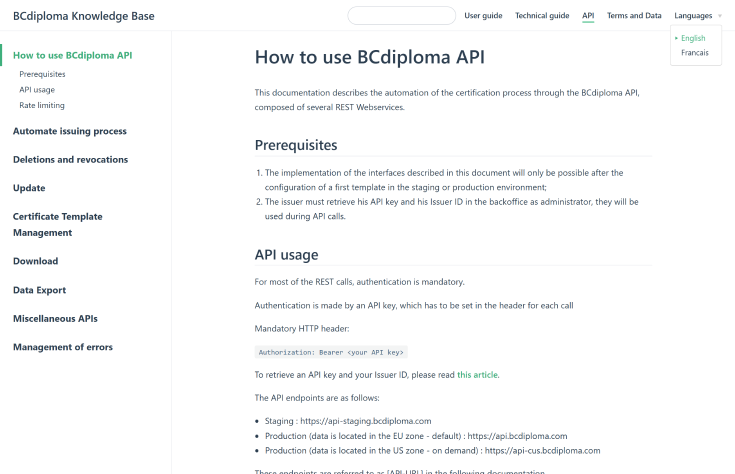
A digital credentials API lets your information systems issue, manage and revoke verifiable certificates and badges automatically, without manual work in a back office. BCdiploma’s API is REST-based, documented and available on every plan. It is different from the W3C browser API of the same name, which lets websites request identity documents from a digital wallet.
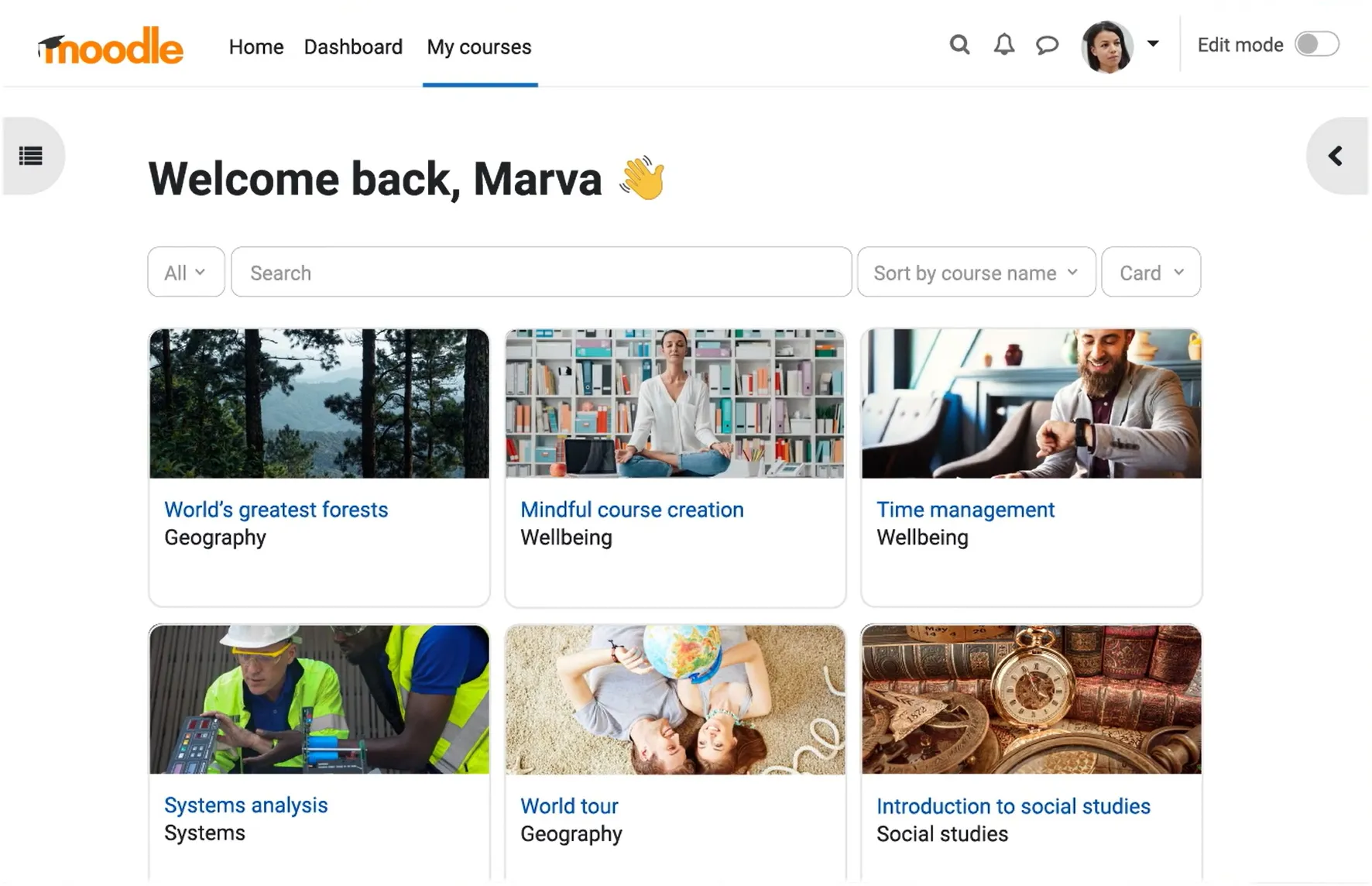
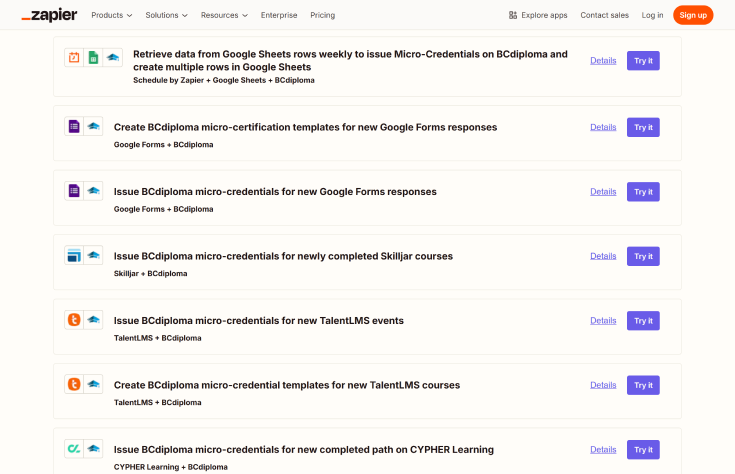
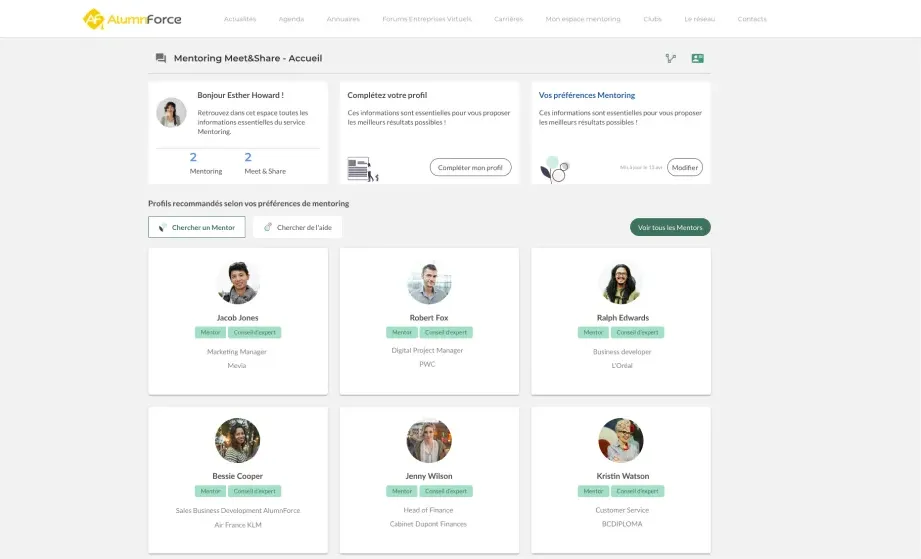
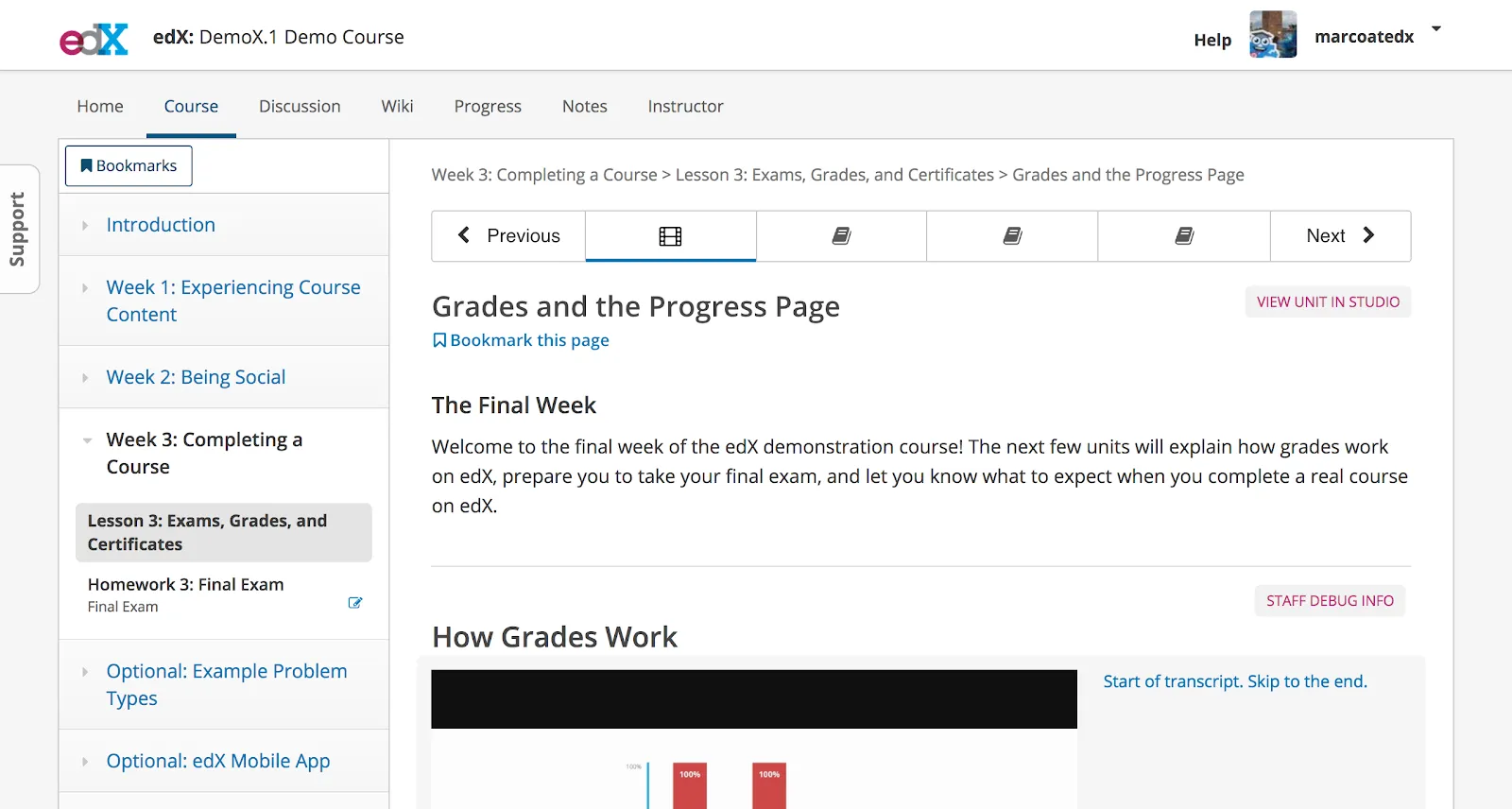
Yes. The API connects to any system that can make standard REST calls. BCdiploma also offers a Moodle plugin, Zapier actions, native connectors (Modern Campus Lifelong Learning, Cards, XPERTEAM, Quizzbox, Daylindo, AlumnForce) and connectors already built for clients on Aurion-Auriga, Open edX, Apogée, EMS Drupal and Salesforce.
Not necessarily. Zapier and the native connectors work without code, and the Moodle plugin is set up from Moodle’s administration panel. For custom workflows, the API gives your technical team full control.
The API has no per-call fees and works on every plan. The number of certificates you can issue is the one included in your plan, as in the back office.
Yes. BCdiploma provides a staging environment with its own API endpoint and keys, so your team can test issuance, notifications and link retrieval before switching to production.
In the European Union by default, in Microsoft Azure data centers (ISO 27001, SOC 1 and SOC 2). Institutions that need it can have their data hosted in the United States, with dedicated API endpoints.
Moodle 4.5 and 5.x. The plugin issues micro-credentials automatically based on each activity’s completion rules, with or without email delivery, and lets teachers resend, delete or reissue certificates from the activity report.
Yes. The verification API checks a certificate link against your issuer ID and returns its status and public fields, so you can add a verification form to your website. Anyone can also check a certificate on the BCdiploma verification page.
Yes. Your staff can sign in to the BCdiploma back office with Microsoft Entra ID (formerly Azure Active Directory), for both the staging and production environments.